
Integrated Prepaid Meters Explained: How They Work and How to Get the Most From One
Published 22 September 2026
What an integrated prepaid meter is
A prepaid meter lets a tenant pay for electricity before using it. The tenant buys credit, loads it into the meter, and the meter supplies power until that credit runs out.
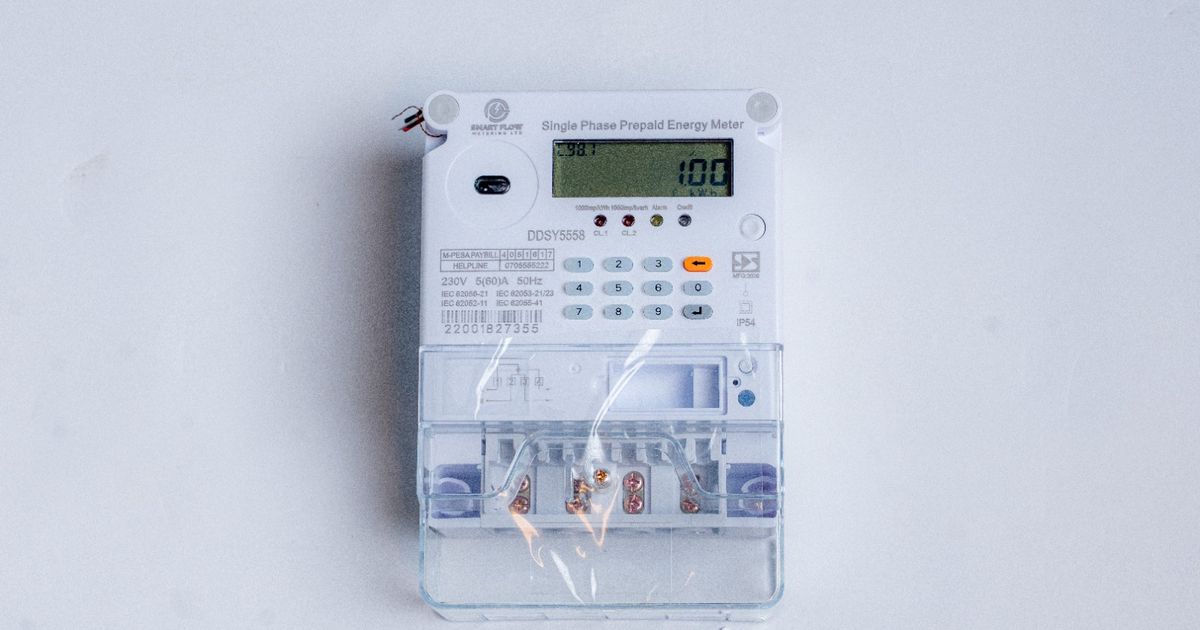
An integrated prepaid meter has everything in one unit: the part that measures electricity, the keypad for entering tokens, and the screen that shows the balance. This is different from a split meter, where the measuring part is locked away in the distribution board and the tenant gets a separate keypad in their room.
Because it is one device, an integrated meter is cheaper, quicker to install and easier to replace. That is why it is the most common choice for bedsitters, single rooms, SQs, hostels and small apartments.
What is inside the box
It helps to picture an integrated meter as five parts working together:
- The measuring chip. It measures the electricity flowing to the unit in kilowatt hours (kWh), the same unit used on a Kenya Power bill. Good meters are built to accuracy class 1, which means the reading is within about 1% of the true value.
- The credit register. This is the meter's own "wallet". Every token adds units to it, and every unit of power used is taken off it.
- The switch. A built-in relay connects and disconnects the power. When the credit register reaches zero, the switch opens and the lights go off. As soon as a valid token is entered, it closes again.
- The keypad and screen. The tenant types tokens on the keypad, and the screen shows the balance, the result of each token, and any warnings.
- The tamper sensors. These watch for anyone opening the cover, bypassing the meter or interfering with it, and record it.
The meter also keeps a memory of every token it has accepted. That memory is what stops a token from being used twice.
How a token actually works
The 20-digit number a tenant receives by SMS is not just a receipt. It is an encrypted instruction created for one specific meter.
Almost every prepaid meter uses an open international standard called STS (Standard Transfer Specification). When a tenant buys power, the vending system takes three things:
- The amount of power bought.
- A unique ID based on the exact time the token was created.
- The secret key that belongs to that one meter.
It locks them together into the 20-digit token. When the tenant types it in, the meter uses its own secret key to unlock it. If the key matches, the meter reads the amount, checks the ID has never been used before, adds the units and saves the ID.
This design has some useful results:
- No internet, SIM card or signal is needed. Everything the meter needs is inside the token. That is why prepaid meters work in basements, on remote plots and during network outages.
- A token only works on the meter it was bought for. On any other meter it simply fails to unlock.
- A token only works once. The meter remembers every ID it has accepted and refuses a repeat.
- A token cannot be guessed or forged. Without the meter's secret key, there is no way to make a valid one.
How the meter uses up credit
Once credit is loaded, the meter counts down as power is used. A fridge running all day takes off a little at a time; an electric shower or iron takes off a lot quickly.
When the balance gets low, most meters beep and show a warning so the tenant can top up in time. When it reaches zero, the switch cuts the power. Entering a new token restores it immediately. There is no reconnection fee and no call to make.
More than credit: the other things a meter can do
Credit tokens are the ones tenants see, but the same system can send other instructions to the meter using special tokens that only the meter operator can create:
- Setting a power limit. The meter can be told the maximum load it should allow at once. If a tenant runs too many heavy appliances together, the meter switches off to protect the wiring, and power returns once the load is reduced.
- Clearing a tamper alarm. If the meter detects tampering, it may lock and refuse to supply power. Only a special clear-tamper token from the operator can reset it. The tenant cannot clear it themselves.
- Clearing credit. When a meter is moved or a unit changes hands, the operator can wipe the remaining balance.
- Updating the meter's keys. From time to time the meter's security keys need updating, which is done with a key change token. In November 2024, every STS meter worldwide needed one such update. Older meters that never received it stop accepting new tokens.
What the screen is telling you
Different models word their messages slightly differently, so always keep the manual. These are the messages you will see most often:
- ACCEPT or OK: the token worked and the units have been added.
- REJECT: the meter could not unlock the token. Usually the token was bought for a different meter number, or a digit was typed wrong. Check the meter number and enter the token again slowly.
- USED: this token has already been loaded on this meter. Nothing is lost; the units were added the first time.
- OLD: the token was created before a newer one that has already been loaded. Buy or request a fresh token.
- FULL: the meter's balance is too high to take this much credit at once. Use some power first, then load the token.
- OPEN or a tamper symbol: the meter cover has been opened or the meter has detected interference. Contact your meter provider.
- Overload or power limit message: too much is switched on at once. Turn off some appliances and power will come back.
Choosing the right integrated meter
Make sure it is STS certified. This guarantees tokens are secure and that the meter works with standard vending systems. Uncertified copies are cheaper but can accept fake tokens or fail to accept real ones.
Pick the right current rating. Add up the power of the appliances a tenant might run at the same time. For example, an electric shower (3,000 W), a kettle (2,000 W) and an iron (1,000 W) together draw about 6,000 W, which is roughly 26 amps at 230 volts. Choose a meter comfortably above that. Single-phase integrated meters commonly handle up to 60 or 80 amps, which covers most homes and small shops. Heavy workshops need a three-phase meter instead.
Choose a clear screen. A backlit display that shows messages plainly saves you many phone calls from confused tenants.
Look for tamper detection. Because an integrated meter sits within the tenant's reach, tamper sensors and a clear-tamper process matter.
Installing it properly
Use a licensed electrician. The meter is wired into your building's supply after the main meter, and poor wiring is the most common cause of faults, heating and false trips.
One meter per unit, on its own circuit. The meter can only measure what flows through it. If units share wiring, the readings will not be fair to anyone.
Keep shared loads off tenants' meters. Security lights, gates, pumps and corridor lights belong on the landlord's own supply.
Mount it where tenants can reach the keypad, away from rain and knocks. Direct sunlight on the screen can fade it over time, so a shaded spot is best.
Have the connections checked after installation. Loose terminals heat up and cause trips. A check a few months in, and then once a year, catches this early.
Record every meter number against its unit. It is the first thing you will need whenever a tenant has a problem.
Tips to share with tenants
- Keep your meter number saved on your phone. It is needed for every purchase.
- Top up when the meter starts beeping, not when the lights go off.
- Type the token slowly and check each digit before pressing enter.
- Enter each token only once. If the screen says USED, the units are already on the meter.
- If the meter shows a tamper or error message you do not recognise, call your provider rather than opening or hitting the meter.
The bottom line
An integrated prepaid meter is a small device doing a lot of careful work: measuring accurately, unlocking encrypted tokens offline, switching power on and off, and protecting itself from interference. Chosen with the right rating, installed properly and explained clearly to tenants, it gives each tenant control over their own electricity and removes the hassle of shared bills for good.